
The Provinces of the Roman Empire, from Caesar to Diocletian. v. 1 by Mommsen
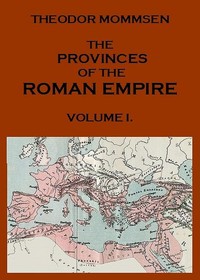
Forget the marble columns of the Forum and the scandals of the imperial palace for a moment. Theodor Mommsen’s classic work, The Provinces of the Roman Empire, asks us to look elsewhere. His story isn’t centered on Rome, but radiates outward to every corner of the map shaded in imperial red.
The Story
Mommsen structures his history as a grand tour, province by province. Starting with Caesar’s time and moving to Diocletian’s reforms, he examines places like Gaul, Britain, Spain, North Africa, Greece, and the Eastern territories. The ‘plot’ is the slow, complex transformation of these distinct cultures under Roman power. He shows how local customs clashed with Roman law, how economies were reshaped for imperial benefit, and how the Roman army acted as both an occupying force and an engine for cultural change. The narrative tension comes from this constant push and pull: Rome imposing its system, and the provinces adapting, resisting, and ultimately changing Rome in return.
Why You Should Read It
What makes Mommsen’s writing so compelling is its focus on the concrete details of power. He gets into the weeds of tax collection, road building, and garrison placement. Through this, you understand the empire not as a symbol, but as a functioning, often clumsy, bureaucratic machine. You see the pragmatism and occasional brutality required to keep it running. It’s history written from the perspective of the governor’s office and the legionary fort, not the throne room. Reading it, you gain a profound appreciation for the sheer logistical and political effort of empire-building. It demystifies Rome, showing its genius and its flaws in the cold light of day-to-day governance.
Final Verdict
This is a book for the curious reader who already has a basic grasp of Roman history and wants to go deeper. It’s perfect for history buffs tired of the same old stories about Nero and Caligula, and for anyone fascinated by how large states actually work. Be warned: it’s a dense, scholarly work from the 19th century, so it requires some patience. But if you stick with it, you’ll be rewarded with a perspective on the Roman world that feels incredibly modern and relevant. You’ll never look at a simple map of the Roman Empire the same way again.
No rights are reserved for this publication. Thank you for supporting open literature.
Betty Nguyen
1 year agoThe index links actually work, which is rare!




Andrew Ramirez
1 year agoAfter hearing about this author multiple times, the depth of research presented here is truly commendable. Don't hesitate to start reading.