
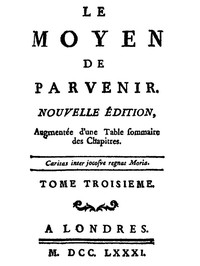
La danse macabre des femmes by Anonymous
Let's talk about this anonymous book that's been haunting my thoughts. 'La danse macabre des femmes' (The Women's Dance of Death) is a story that gets under your skin.
The Story
Set in the foggy, gas-lit streets of 1870s Paris, the novel follows four women who meet in secret. Each has been ruined in some way by a respected banker and philanthropist named Monsieur Leclerc. To the public, he's a saint. To them, he's a monster who destroyed their families, reputations, and futures. Instead of acting alone, they form a pact. Their plan isn't a quick crime of passion. It's a calculated, long-term strategy to systematically destroy his fortune, his public image, and his sanity. The narrative shifts between their tense planning sessions and the quiet, devastating results of their actions. As Leclerc's perfect life begins to crumble brick by brick, the women must face the psychological cost of their campaign and the real danger of being discovered.
Why You Should Read It
What gripped me wasn't the 'if' but the 'how.' The book is less about the violence of a single act and more about the quiet, relentless pressure of many small ones. The author (whoever they are) gives each woman a distinct, compelling voice. You feel their rage, their fear, and their grim satisfaction. It forces you to sit with a difficult question: when the system is built to protect a powerful man, what is justice? Is it wrong to become a monster to destroy one? The setting is a character itself—the grime and grandeur of Paris feel palpable, making the women's hidden world even more powerful.
Final Verdict
This book is perfect for readers who love historical fiction with a sharp, psychological edge. If you enjoyed the tense female alliances in books like 'The Once and Future Witches' or the moral complexities of 'Les Misérables,' but wished they were grittier and more focused on quiet rebellion, you'll be captivated. It's a slow, thoughtful, and deeply unsettling story about the price of vengeance and the bonds forged in shared anger. Just be prepared—it's not a light read, but it's an incredibly memorable one.
This content is free to share and distribute. Preserving history for future generations.
Lisa Lee
1 year agoI have to admit, the flow of the text seems very fluid. I learned so much from this.
Edward Brown
1 year agoI have to admit, the storytelling feels authentic and emotionally grounded. I learned so much from this.
Steven Thompson
11 months agoSurprisingly enough, the plot twists are genuinely surprising. Thanks for sharing this review.
Charles Allen
3 months agoBeautifully written.




Michelle Davis
1 year agoEssential reading for students of this field.